
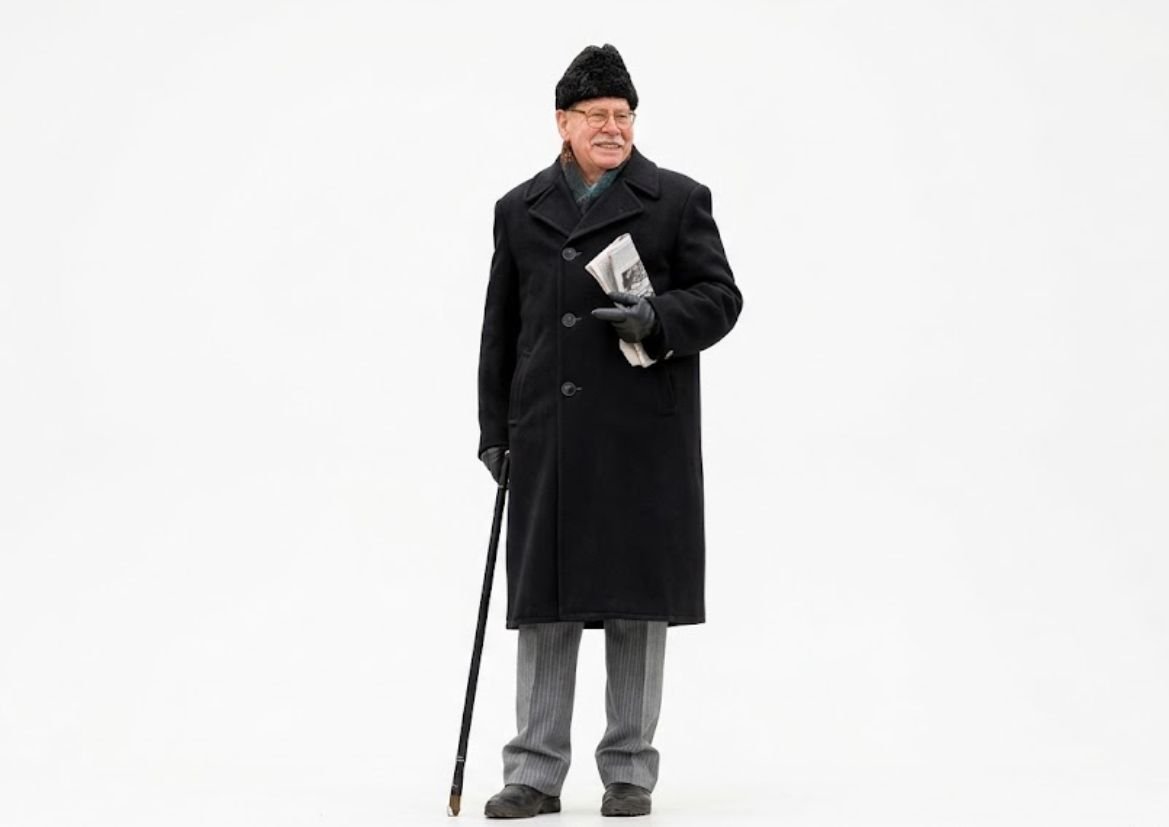
Many men notice after 60 that the coat which once kept them warm now lets the chill straight through by mid-morning. The best winter coats for older men trap heat without weighing down tired shoulders or troubling stiff, cold hands.
Feeling the cold more is a normal part of aging, yet many men keep wearing a heavy, stiff coat bought decades ago.
A better coat makes winter walks, church on Sunday, and trips to the shops far more comfortable and far safer.
Each section compares the best winter coats for older men by style, warmth, weight, and the kind of winter each one suits.
You will also find which features justify the cost and a few fit checks to run before you keep any coat.
Table of Contents
Why older men need a warmer coat
Aging changes how the body handles cold, so a coat matters more at 70 than it did at 40.
The National Institute on Aging warns that older adults can develop hypothermia even in mild cold, partly because they move less and make less body heat.
The UK government lists people aged 65 and over among those particularly at risk from cold weather each winter.
Diabetes and some medicines can also dull the body’s response to cold, which makes a reliable coat a health choice as well as a style one.
Features that keep an older man warm
The best winter coats for older men share a few practical features, so check these points before you buy.
Lightweight with real warmth
A heavy coat tires the shoulders and back, so look for down or modern synthetic insulation that gives warmth without bulk.
Wear thin layers underneath, since NHS Wales advises several thin layers rather than one thick one to trap body heat.
Easy fastenings
Stiff fingers struggle with small buttons, so choose a coat with a large zipper pull, snaps, or a storm flap with big buttons.
A two-way zipper helps when sitting in a car, because you can open the bottom without unzipping the whole coat.
The right length
A coat that reaches mid-thigh covers the lower back and hips, which lose heat quickly when a man stands at a bus stop.
Knee-length coats suit walking and formal wear, while hip-length jackets suit driving and quick errands.
Weather protection
A water-resistant outer layer keeps rain and wet snow out, and a hood or high collar protects the neck and ears.
Practical pockets and visibility
Fleece-lined hand pockets warm cold fingers, and inside pockets keep a phone, wallet, and glasses safe and dry.
Reflective trim or a lighter color helps drivers see you on dark winter afternoons.
The best winter coats for older men by style
Each style below suits a different climate and lifestyle, so match the coat to the winters where you live.
1. Down or synthetic parka: best for severe cold
A hooded parka that reaches the thigh gives the most warmth, which suits harsh winters in Canada and the northern United States.
Choose a lighter synthetic fill if you live somewhere damp, because wet down loses much of its warmth.
2. Wool overcoat: best for church and occasions
A knee-length wool overcoat in navy, charcoal, or camel looks sharp over a suit and suits a dapper grandfather.
It fits well with church outfits for cold Sundays and respectful funeral attire alike.
Pair it with a thin insulated vest underneath on the coldest days, since wool alone can feel chilly in strong wind.
3. Quilted car coat: best for driving and errands
A hip-length quilted jacket keeps the body warm without bunching up behind the steering wheel.
It is light enough for daily errands and smart enough to wear over a collared shirt or sweater.
4. Waxed or waterproof field jacket: best for wet winters
A waxed cotton or waterproof field jacket with a removable liner suits rainy winters in the United Kingdom and southern Australia.
Look for a corduroy collar, deep pockets, and a liner you can remove on milder days.
5. Lightweight puffer jacket: best for mild winters and layering
A thin, packable puffer works on its own in mild climates and slips under a larger coat when temperatures fall.
It is also easy to carry, which helps when indoor heating makes a big coat uncomfortable.
Comparing the main coat styles
This table sets out the best winter coats for older men side by side, so you can pick the right style quickly.
| Coat style | Warmth | Weight | Best climate | Best for |
|---|---|---|---|---|
| Down or synthetic parka | Highest | Light to medium | Severe cold and snow | Long walks and waiting outdoors |
| Wool overcoat | Medium | Medium to heavy | Cool, dry winters | Church, funerals, and formal events |
| Quilted car coat | Medium | Light | Mild to cold | Driving and daily errands |
| Waxed or waterproof field jacket | Medium with liner | Medium | Wet, windy winters | Country walks and rainy days |
| Lightweight puffer | Low to medium | Very light | Mild winters | Layering and travel |
Fit tips before you keep a coat
Even the best winter coats for older men fail if they fit badly, so run these checks at home.
- Try the coat over the thickest sweater you plan to wear, and make sure you can raise both arms comfortably.
- Sit in a chair and check that the coat does not ride up tightly across the stomach or back.
- Fasten and unfasten it several times with gloves on, and return it if any fastening feels difficult.
- Check that the sleeves cover your wrists when you reach forward, so cold air cannot slip in.
Men with a larger stomach can read about styles for a fuller middle to see which cuts sit best.
Men with limited movement in the shoulders or hands should also look at adaptive outerwear and clothing with easier openings.
Finish the winter outfit
A coat works best alongside warm hats for winter walks, lined gloves, and a soft scarf.
Icy pavements call for footwear with good winter grip, because a warm coat cannot prevent a slip.
Avoid the outerwear mistakes that add years, such as oversized coats and frayed, faded jackets.
To keep things simple, build your cold-weather clothes into a pared-back seasonal wardrobe of pieces that all match.
If you are shopping for someone else, these gift ideas for grandfathers include smaller winter extras too.
Conclusion
The best winter coats for older men are light, warm, easy to fasten, and long enough to cover the lower back.
Adults over 65 face greater risk from cold, so warmth and thin layers underneath matter as much as style.
Choose a parka for severe cold, a wool overcoat for occasions, a quilted coat for driving, and a field jacket for wet winters.
Try your coat over a sweater, test the fastenings with gloves on, and keep Older Men’s Life bookmarked for your next cold-weather purchase.
Frequently asked questions
What type of coat is warmest for elderly men?
A hooded, thigh-length parka with down or synthetic insulation keeps in the most heat, especially when worn over a thin base layer and a sweater.
Is a wool coat warm enough for winter?
A wool overcoat is warm enough for cool, dry days, but in strong wind or deep cold, add an insulated vest or choose a parka instead.
What length coat should an older man wear?
Mid-thigh to knee length suits most older men, because it covers the hips and lower back while still allowing comfortable walking and sitting.
How can older men stay warm without a heavy coat?
Wear several thin layers under a light insulated jacket, and add a hat, gloves, and scarf, since much body heat escapes from the head and hands.
1 thought on “Best Winter Coats for Older Men Who Feel the Cold”
Comments are closed.